The Homes That Hawthorn Builds Its Identity On

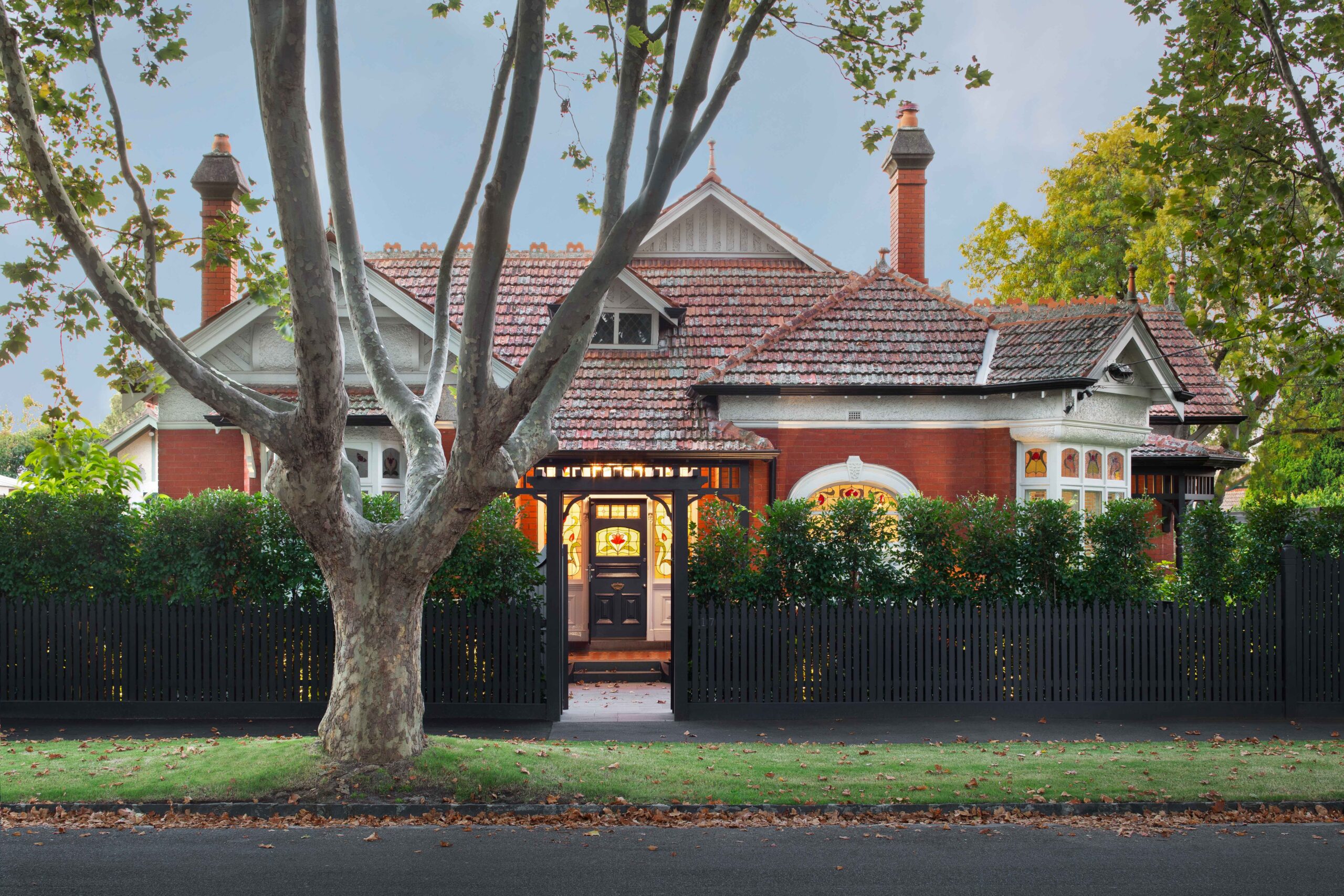
A period home in Malvern asks something specific of its owner: not just to acquire property, but to accept custodianship of a piece of the suburb’s architectural narrative. That distinction matters and it changes how you should approach a renovation.
A century-old Victorian or Edwardian home isn’t asking to be modernised. It’s asking to be restored, and then thoughtfully extended. Those are not the same project, and they demand a different mindset from both the owner and builder.
Too many renovations begin with the question: “How do we make this work for us?” The better question, especially in Malvern, is: “How do we evolve this home while honouring what it was?” That shift in thinking shapes every decision that follows.
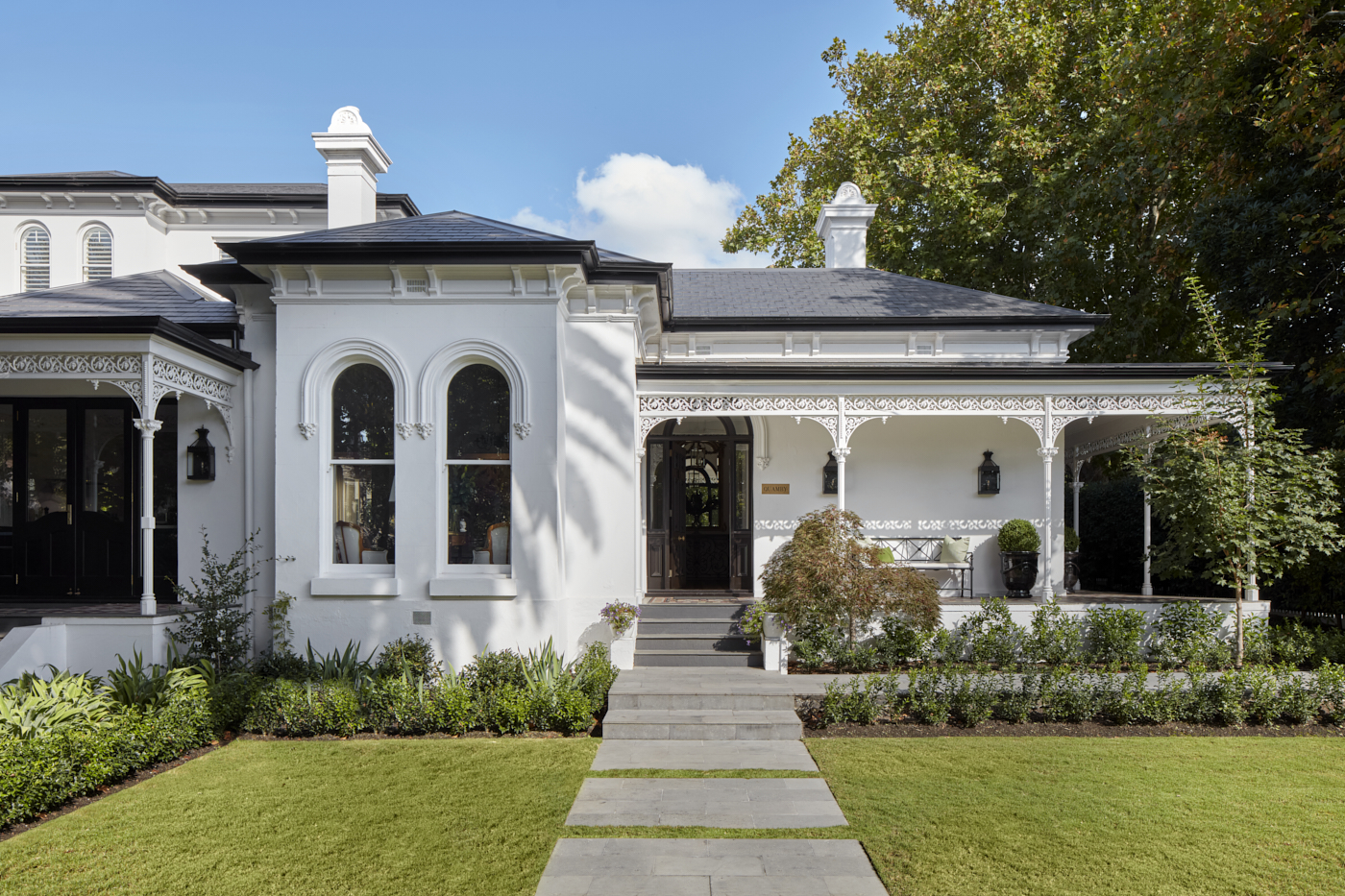
Malvern’s period homes were built during an era when craftsmanship and material quality were non-negotiable. The ornate cornicing, timber joinery, ceiling roses, fireplaces, and original floor layouts were created with deliberate care – each one a reflection of the time, skill, and attention builders and craftspeople invested in these spaces. These weren’t mass-produced elements; they were expressions of mastery. Every detail carried the mark of craftspeople who understood that quality and care mattered.
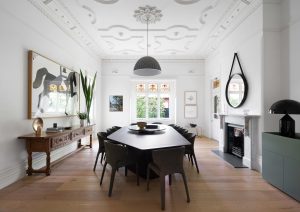
When you restore these features properly, you’re not being nostalgic. You’re protecting the home’s personality, integrity, and its future resale value. Heritage features that are authentically restored command premium positioning. A home with original cornicing, ceiling roses, and functioning fireplaces tells a story that modern imitations cannot replicate. Buyers – especially in Malvern – recognise and pay for that authenticity.
Conversely, period homes that have been stripped of original character or poorly “updated” lose their market positioning. They become neither period nor contemporary; they sit in an awkward middle ground. That’s why restoration – genuine restoration – is an investment, not a cost.
Here’s where most renovations go wrong: they treat the original home and the new extension as separate entities. The extension becomes a contemporary addition that sits uncomfortably beside the heritage structure. Visually, it reads as an afterthought.
The right approach integrates the extension so thoughtfully that it feels inevitable. The new works should echo the spatial logic of the original home, carry forward its proportional language, and create seamless transitions between old and new.
Our Lysterville project in Malvern demonstrates this principle. The extension doesn’t compete with the original Edwardian character. Instead, it evolves that character, opening up the formal, separated spaces into generous shared living and dining areas while maintaining the home’s original sense of proportion. The new addition interprets the original’s language in a contemporary way, rather than dismissing it.
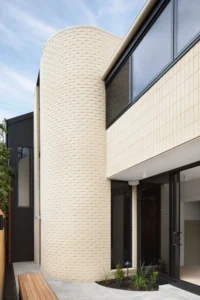
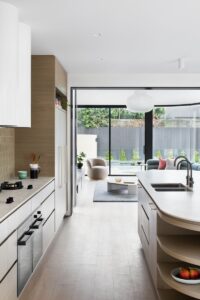
Similarly, Manning Road in Malvern required balancing a Federation home’s heritage charm with a contemporary family’s need for luxury living – double-storey car stacker, modernised parents’ wing, updated amenities – without compromising the original structure’s integrity. The brief was ambitious, but the execution preserved what mattered: the home’s heritage foundations and character.
If you’re considering a heritage renovation in Malvern, accept that you’re steward, not developer. Your job is to restore the home’s original features with honesty and precision, then extend it in a way that feels like a natural evolution rather than an incongruous addition.
That requires:
Builder and Architect collaboration from day one. Heritage homes demand architects who understand period proportions, materials, and spatial logic. They’ll read the original home’s intentions and ensure new works amplify rather than diminish them.
A builder with heritage expertise. This isn’t about ticking heritage compliance boxes. It’s about understanding how these homes were constructed, which original features are non-negotiable, and how contemporary services can be integrated without destroying original detail. A builder who sees heritage constraints as an inconvenience will cut corners. A builder who sees them as part of the home’s value will protect them.
Patience with restoration. Original plasterwork, timber floors, joinery, and fireplaces often require specialist craftspeople. That takes time. It’s slower than modern construction, but the outcome is worth it. These homes were built to last generations; treating them with that level of care is appropriate.
Owning a period home in Malvern means you hold that property in trust for the next owner. Renovate with intention. Restore what deserves to stay. Extend thoughtfully. In doing so, you’ll preserve not just a house, but the architectural character that defines Malvern itself.
If you’re exploring how Early Builder Involvement can shape a smarter, more efficient heritage project, our free guide walks you through the process from initial planning through completion.