How Skilled Craftsmanship Adds Value to Your Project

When you invest in a home – whether it’s a carefully considered heritage renovation or a contemporary architectural build – you’re creating something intended to endure. Not just structurally, but functionally and emotionally. A home that feels timeless, performs consistently, and continues to support family life as needs change over decades.
At Fortem Projects, we believe longevity isn’t achieved through any single decision or material. It comes from a disciplined approach that balances craftsmanship, material intelligence, and foresight – applied from the very beginning of a project, not just during construction.
Here’s how we build homes that stand the test of time.
The foundations of a long-lasting home are set well before work starts on site.
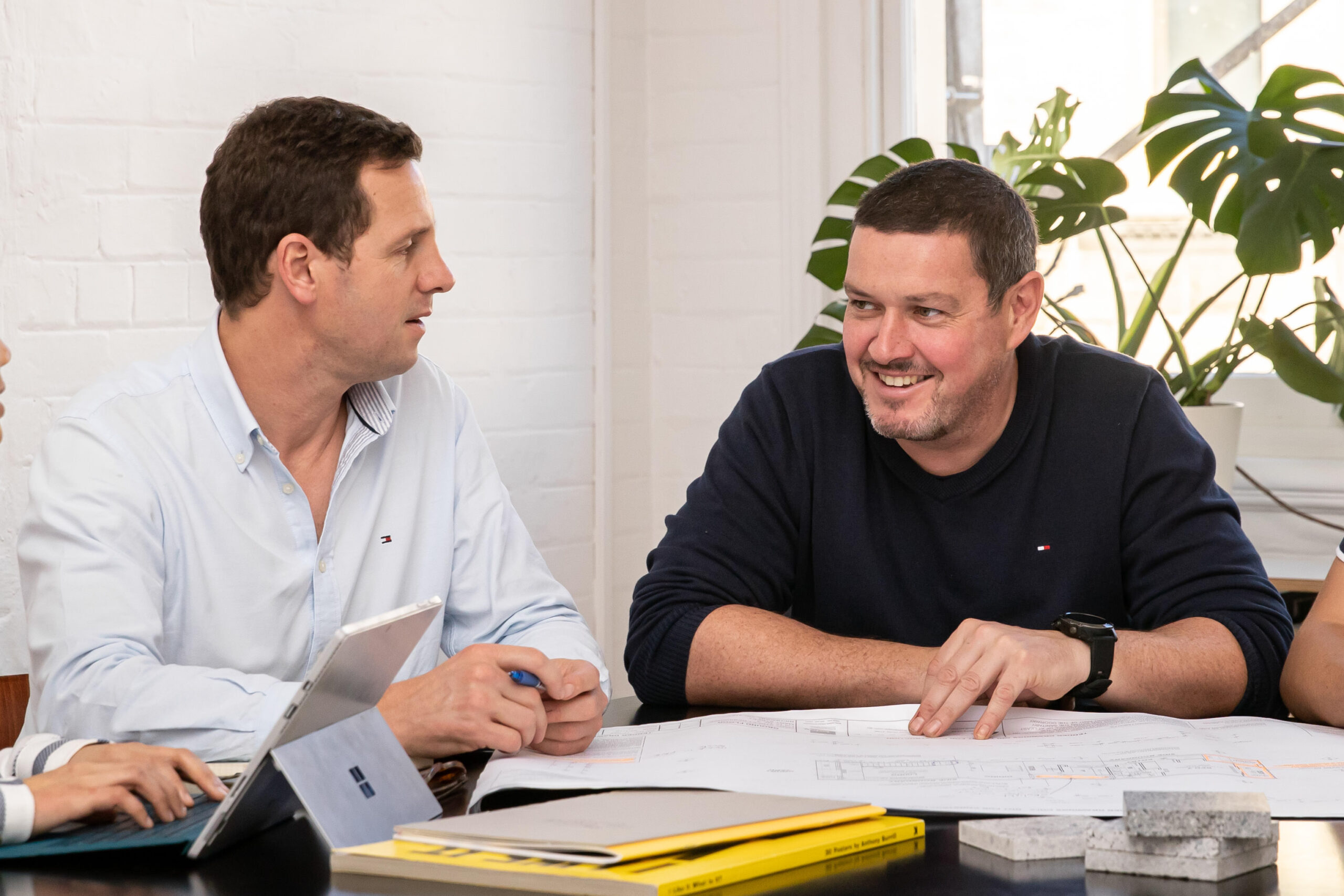
Many of the issues that shorten a home’s lifespan – compromised detailing, difficult maintenance, poor thermal performance – can be traced back to early design decisions made without sufficient construction input. That’s why we place strong emphasis on early collaboration with architects and clients.
By contributing practical, construction-led insight during the design and documentation stages, we help ensure that what is drawn can be built well, efficiently, and with longevity in mind. This early involvement allows us to identify risks, resolve complex details, and avoid short-term decisions that can lead to long-term problems.
It’s a quieter part of the process, but it’s often where the greatest value is created.
A home that lasts is built from materials selected not just for appearance, but for how they perform over time – structurally, environmentally, and aesthetically.
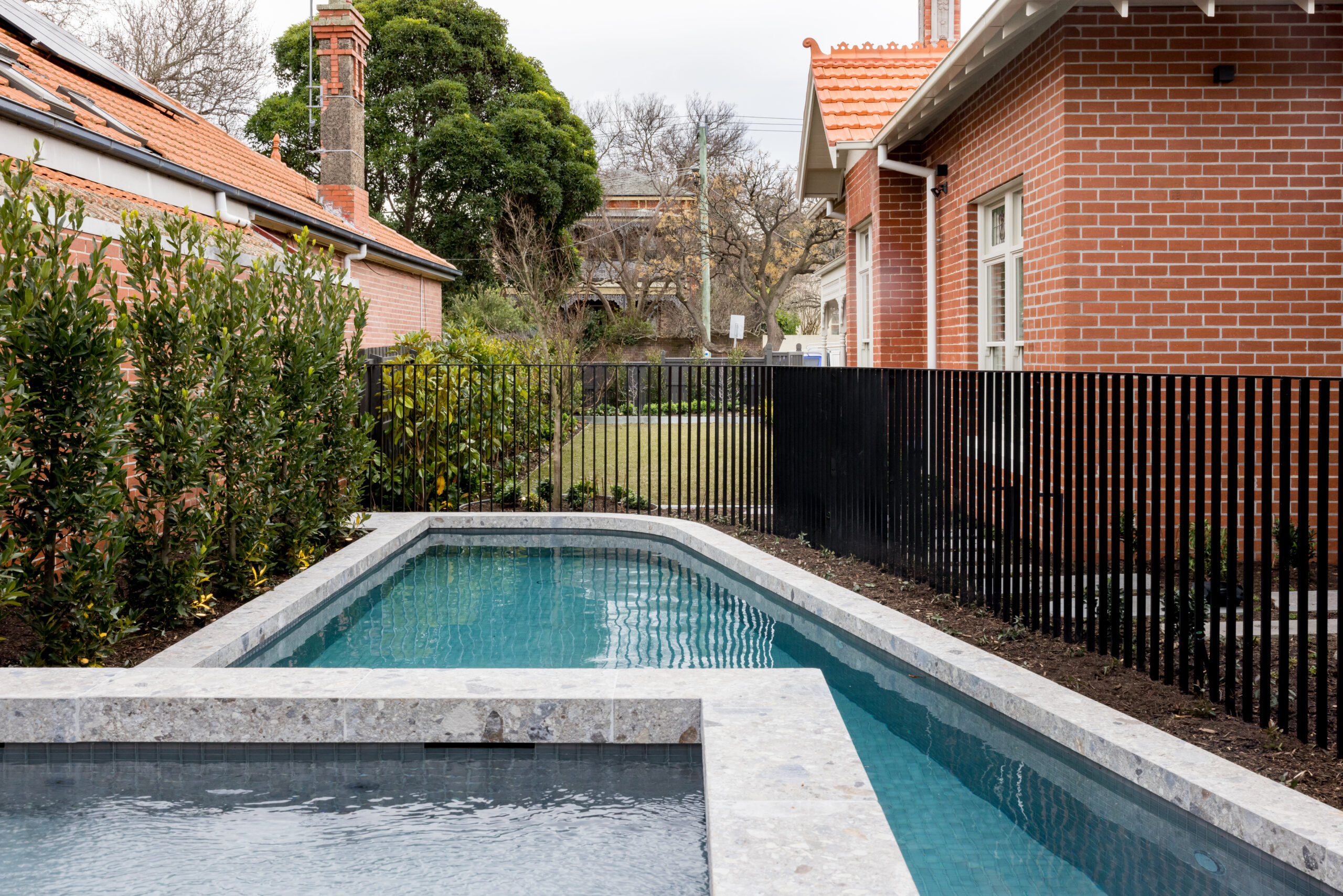
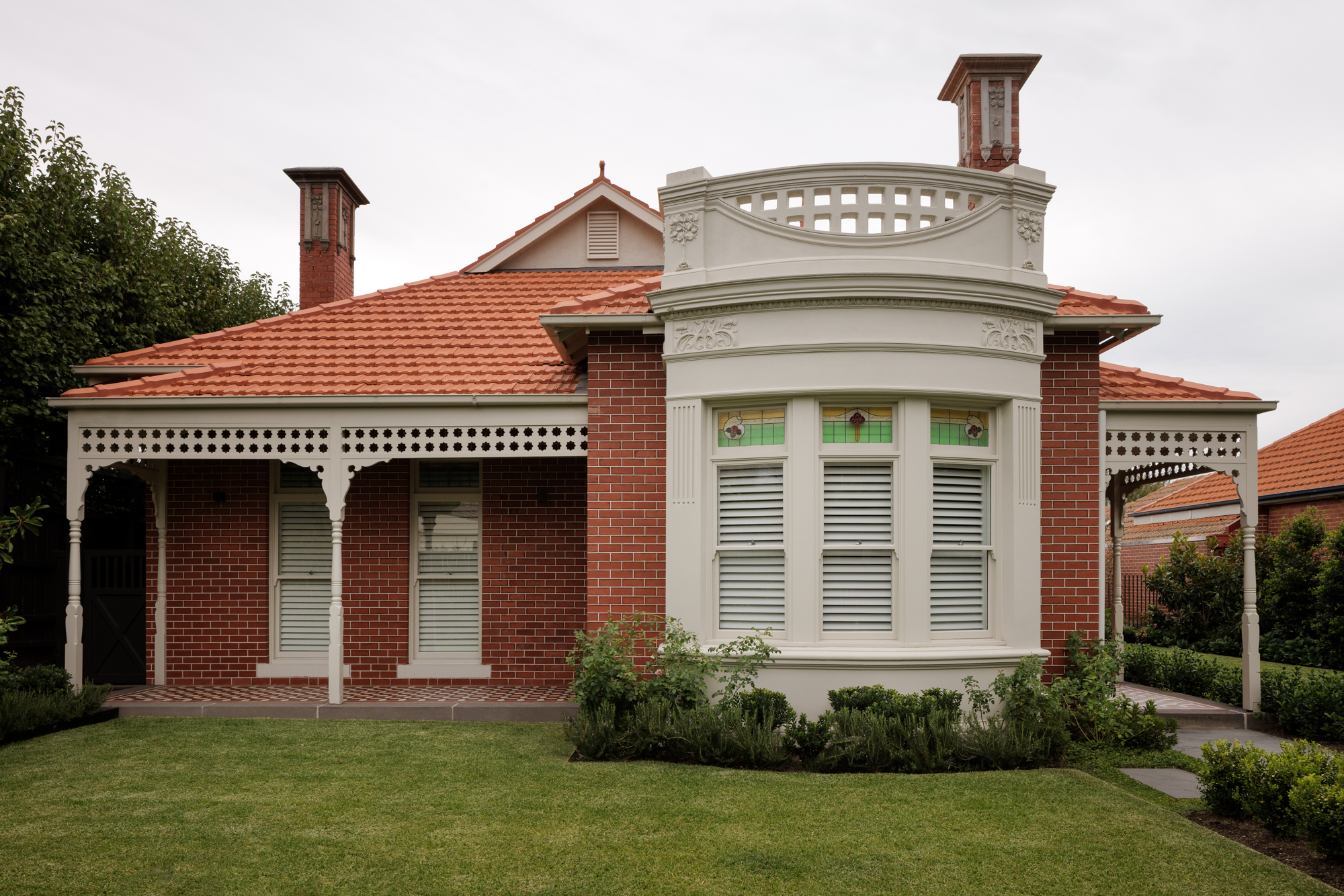
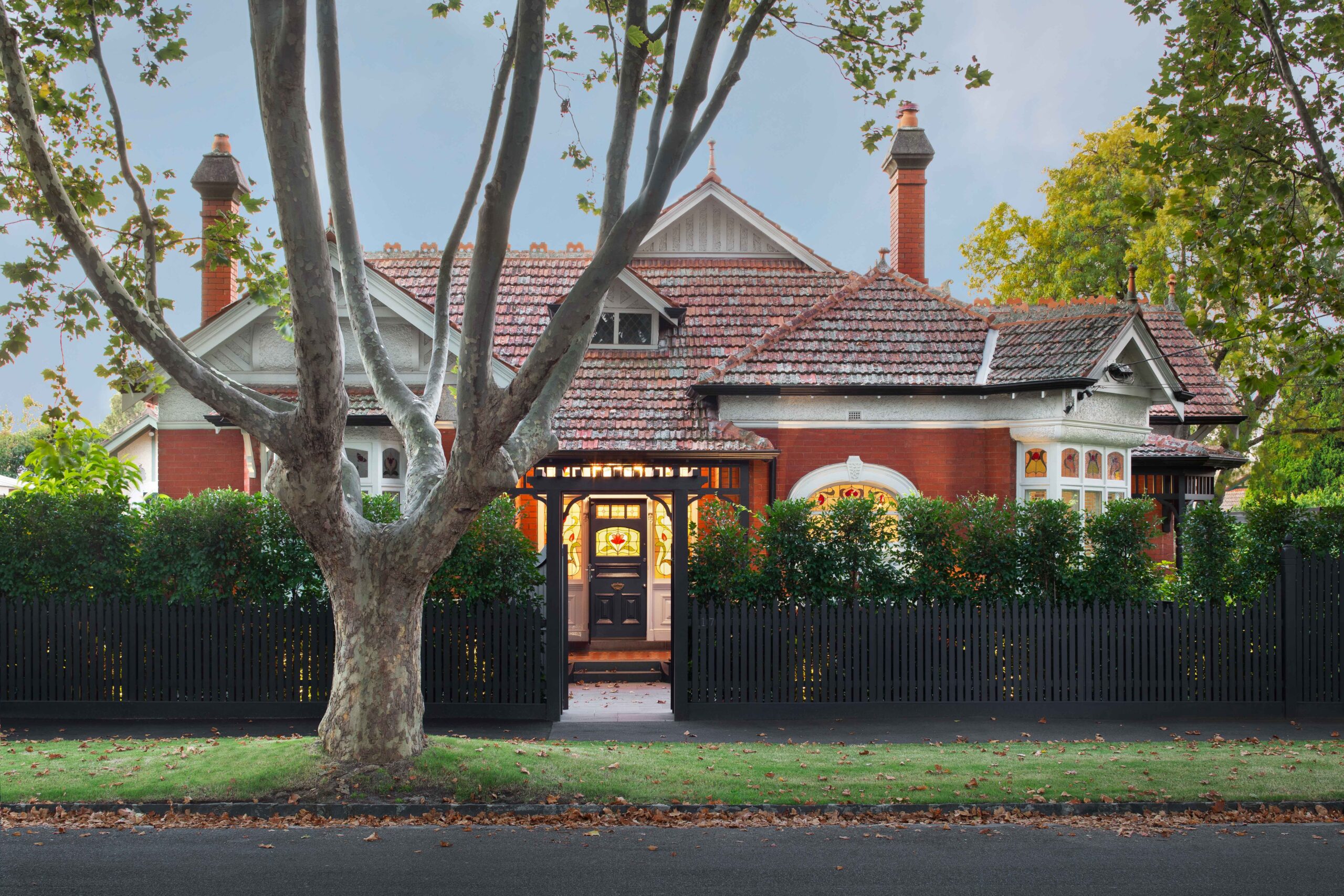
Across our projects, we prioritise materials that are proven, low-maintenance, and capable of ageing gracefully. Recycled bricks, for example, offer density, durability, and character, while reducing environmental impact. In heritage renovations, we often salvage and reuse original bricks or tiles wherever possible, maintaining authenticity while extending the life of the building.
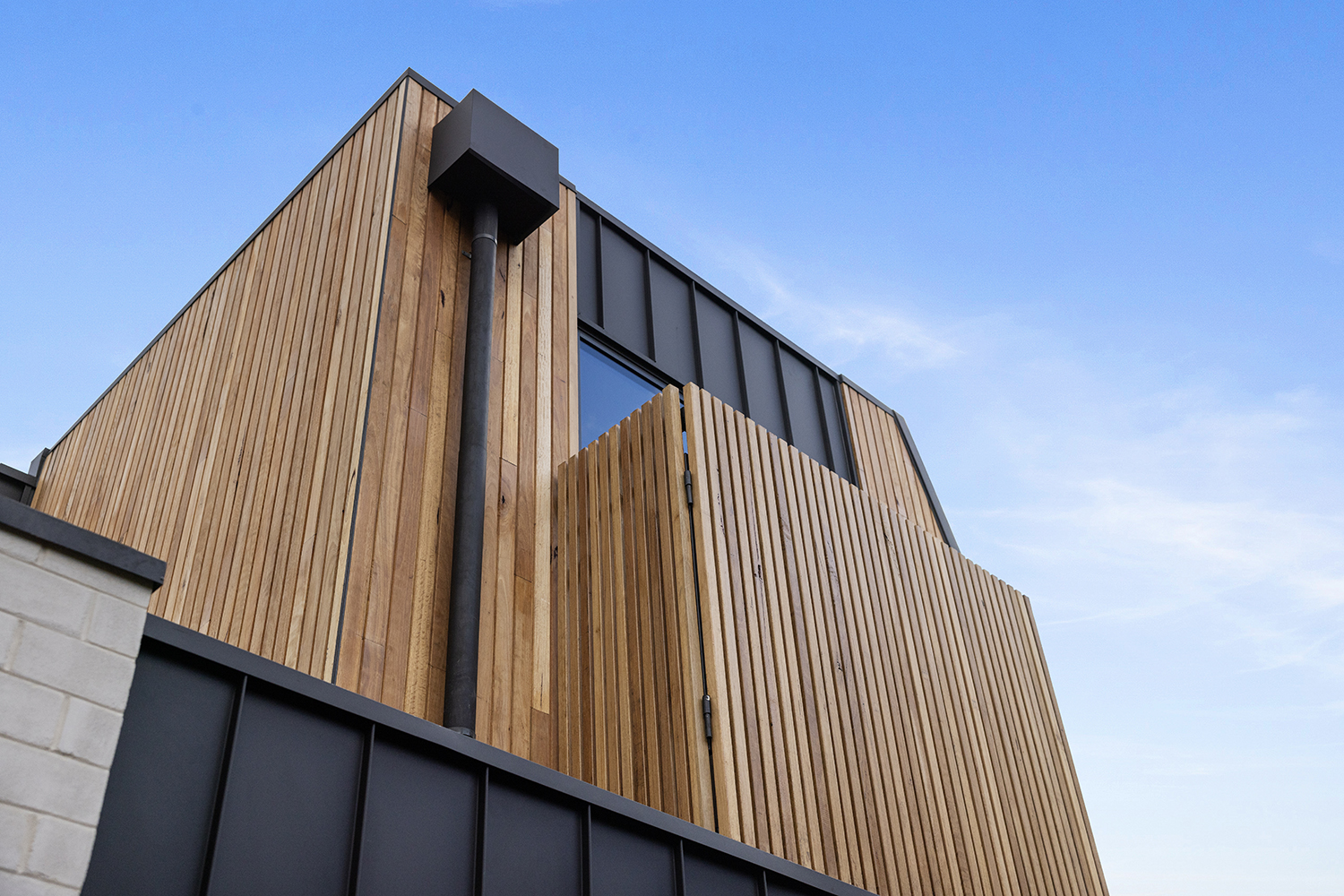
For external timber cladding and detailing, we frequently specify Abodo Vulcan – a carbon-negative, thermally modified timber chosen for its dimensional stability and durability. Unlike many conventional timbers, it resists warping, cupping, and bleeding, making it particularly well suited to Melbourne’s variable climate.
Every material decision is made with an understanding of how it will weather, move, and be maintained over decades – not just how it looks at completion. The objective is simple: homes that retain their integrity and elegance long into the future.
A future-ready home is one that performs consistently year after year – reducing energy demand while maintaining comfort in all seasons.
Energy efficiency is integral to our approach, regardless of whether we’re working on a heritage home or a contemporary build. We work closely with architects and consultants to integrate passive design principles early, considering orientation, openings, shading, and ventilation as part of the overall strategy rather than as add-ons.
High-performance insulation systems, double-glazed windows, and carefully resolved thermal junctions contribute to a stable indoor environment and reduced reliance on mechanical heating and cooling.
In heritage projects, where solid masonry walls and original detailing can complicate upgrades, we focus on targeted interventions that respect the existing fabric while meaningfully improving performance.
We also consider climate resilience as standard – selecting weather-resistant materials, ensuring effective site drainage, and accommodating modern energy systems where appropriate. The result is a home that not only looks timeless, but performs reliably in an increasingly unpredictable climate.
Homes designed to last must also be capable of evolving.
We regularly collaborate with architects to deliver spaces that adapt over time – flexible floor plans, multi-purpose rooms, and extensions that anticipate future needs without compromising the home’s overall balance or character.
In heritage renovations, this requires particular care. Preserving character doesn’t mean freezing a home in time. It means thoughtfully integrating modern functionality while respecting the building’s original intent and proportions.
Whether a family is growing, working from home, or planning for long-term accessibility, we approach each project with foresight – ensuring the home continues to serve its occupants well as life changes.
Future-proofing isn’t just about materials or layouts. It’s a mindset that carries through every stage of construction.
At Fortem Projects, we take a long-term view of every decision on site. From trade scoping and sequencing through to detailing and finishes, we focus on doing things properly the first time – even when that requires additional coordination or more considered solutions.
We work with skilled trades and suppliers who share our commitment to quality, and we apply structured quality control processes throughout construction to ensure consistency, accuracy, and durability.
For us, excellence isn’t something inspected at the end – it’s embedded in the way a project is planned, built, and delivered.
Whether restoring a century-old home or delivering a new architectural residence, our focus remains the same: to build homes that respect their origins, perform for today, and endure for the future.
By combining early collaboration, durable material selection, energy-conscious construction, and disciplined execution, we create homes that become more than just places to live – they become lasting assets for the families who inhabit them.
Because when a home is built with integrity from the outset, it’s built to be passed on.
The decisions that determine whether a home truly endures are often made long before construction begins.
If you’re planning a renovation or new home – or working through the early design stages with an architect – we’re happy to provide considered, practical input to help protect the long-term performance of your project.
Get in touch with Fortem Projects to start the conversation early.